
REPORT: Collective management organizations need to change their statutes to work more efficiently and transparently
The Directive 2014/26 of the European Union on collective management of copyright and related rights and multi-territorial licensing of rights in musical works for online use in the internal market imposes high standards for collective management organisations (CMOs) established at the EU level. The actual task of the EU funded project “Support to enforcement of the intellectual property rights” is an evaluation of the activity of the collective management organisations acting in The Republic of Moldova, according to the requirements of Directive 2014/26/EU and practice of implementation of it.
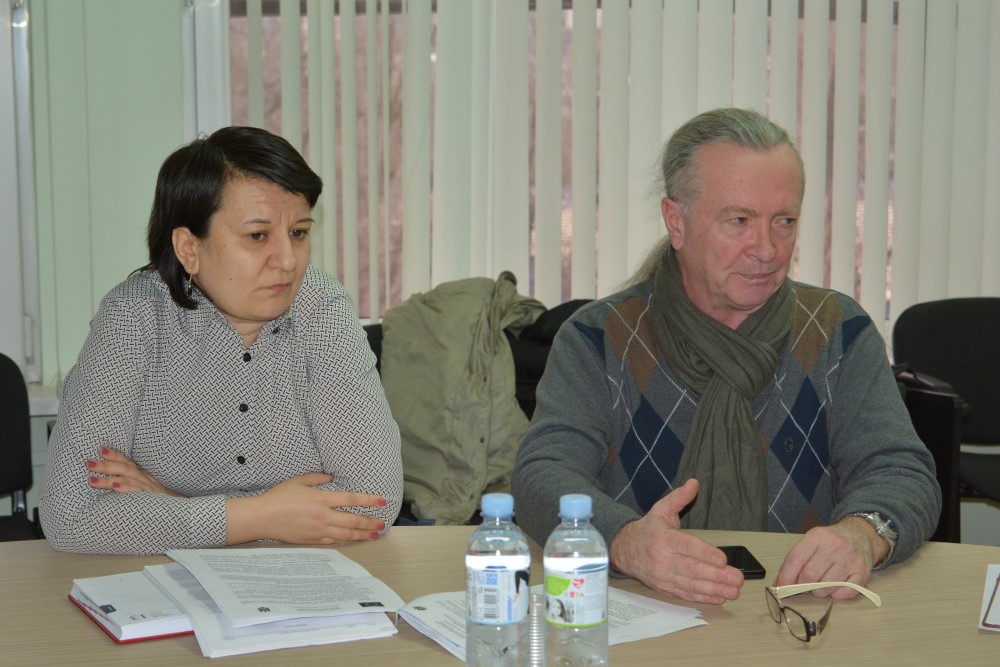
In this regard, a workshop on evaluation of Moldova CMOs and AGEPI specialists was organised on February 12, 2018. With this occasion, a report [1] was presented by Irina Lucan-Arjoca, Deputy Director General of The Romanian Copyright Office (ORDA), Romania.
Among others, the report provides support to collecting management organizations in implementing the European Parliament's Directive 2014/26/EU, in particular the development of internal regulations. For this purpose, it is needed an Action Plan on improving the activity of CMO according to the experience of CMOs activity in the EU member-states.
Thus, the statutes of the CMOs must stipulate the conditions of membership, the cases of cessation and suspension of membership, members' rights and obligations, information about the managed repertoire and distribution rules. The status of each body should include the duties of the Board of Directors and the convening rules of the General Assembly of Members (at least once a year). At the same time, collective management organizations need to involve all members in the decision-making process, create/update their own websites, establish quick and effective complaints handling procedures, the document says.
"National legislation and statutes made available by the collecting organisations do not contain certain conditions or rules, such as, for example, how remuneration is distributed. And in Moldova, there are no bodies that manage the righstholders of other artistic works other than musical ones. Respectively, it is appropriate to enforce certain provisions of the European directive", suggests Irina Lucan-Arjoca, international expert.
Also, Irina Lucan-Arjoca proposes some recommendations for AGEPI's specialists, acting in the field of the collective management of rights. Among these, we can mention the amendment of the Law no. 139/2010 on copyright and related rights, by delimitating management of copyright of related rights, establishing a procedure for setting tarrifs, the facilitation of dialogue between users and CMOs, including rights, obligations and sanctions applicable to users. Other recommendations include an unique format of the CMOs repertoires and also an unique format of the Annual Transparency Report (article 22 of the Directive 2014/26/UE), both established through AGEPI’s Decisions, after public consultations.
“We are ready to implement the recommendations proposed under the European directive, so we will soon have a new web page with updated information and in March we will also come up with results on changing our status and approving internal regulations. However, the members of our organization have hesitations towards certain actions, as we do not know what the fate of the amendment to Law No. 139 is, so we'll have to change the internal documents several times”, believes Olga Belei, director of the Republican Copyright Office (ORDA).
At the same time, Liviu Stirbu, president of the National Copyright Association (ANCO) stresses: “Transparency is imperative for our work and continues to be ensured between the organization and the authors. But I do not think it is necessary for our members' wages to be posted on the site. However, the access to this information can be provided to those interested. I also think that decisions in the General Assembly don’t need to be taken by all members, because some issues are subjectively addressed".
The representatives of Moldova CMOs also pointed that the changes of the activity of CMOs should be linked to the adoption of the amendments to Moldova Copyright Law. The draft Law is now under finalisation at AGEPI.
According to the European Directive [2], "Collective management organisations play, and should continue to play, an important role as promoters of the diversity of cultural expression, both by enabling the smallest and less popular repertoires to access the market and by providing social, cultural and educational services for the benefit of their right holders and the public”.
Previously, between November 27 and December 1, 2017, the project’s expert, Irina Lucan - Arjoca, together with representatives of the CMOs, identified in the workshops the issues that are not in line with the provisions of Directive 2014/26/EU, but also the challenges that this directive brings.
…..
Collective management organizations are non-commercial organizations set up by the free association and directly by the holders of copyright and/or related rights. They issue licenses to users; negotiate with users the amount of remuneration and; accumulate, allocate and pay the remuneration to the rightsholders. Currently, two collective management organizations are active in the Republic of Moldova: the National Copyright Association (ANCO) and the Republican Copyright Office (ORDA).
The Technical Assistance project "Support to enforcement of the intellectual property rights" in the Republic of Moldova is funded by the European Union and is implemented by a Consortium led by Archidata Srl (Italy) together with European Profiles SA (Greece) and Business and Strategies in Europe S.A. (Belgium).
For more information please contact Ana-Maria Veverita, Expert on media and communication, veverita@ipr-moldova.net [3].
 [4]
[4]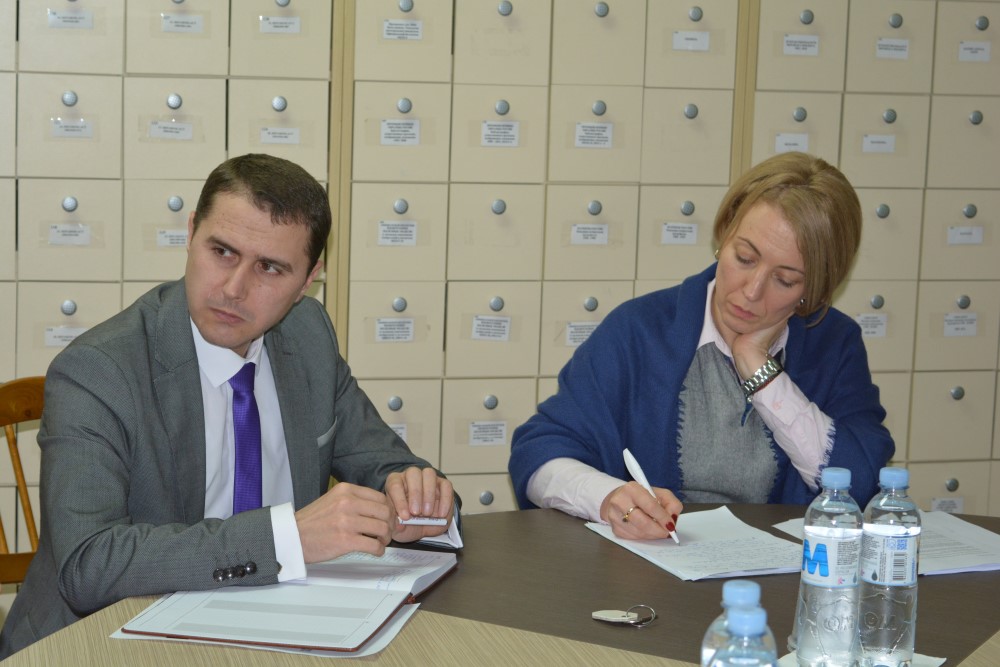 [5]
[5]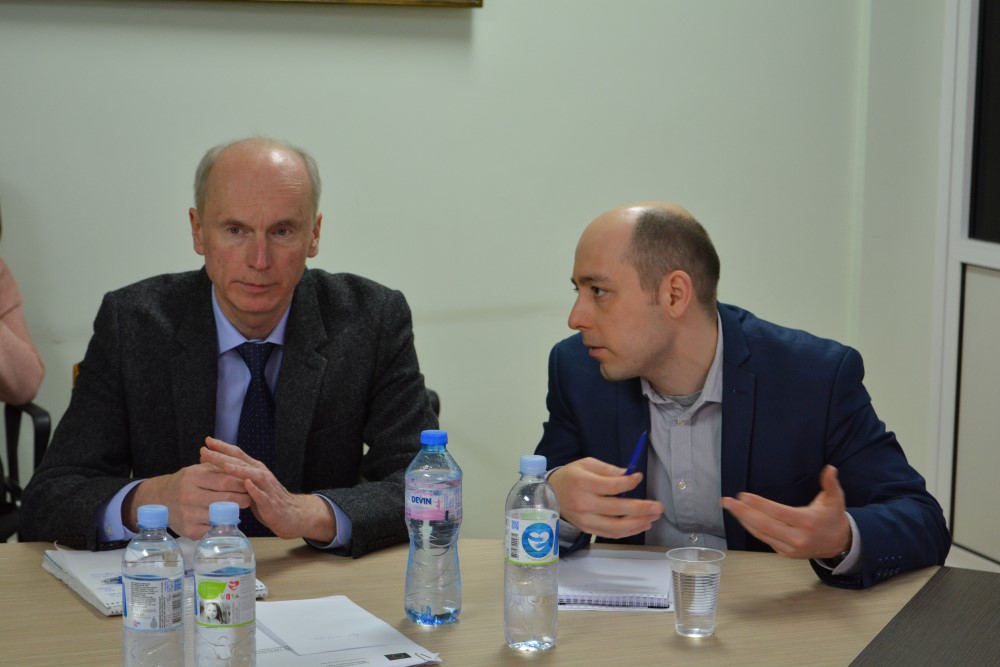 [6]
[6]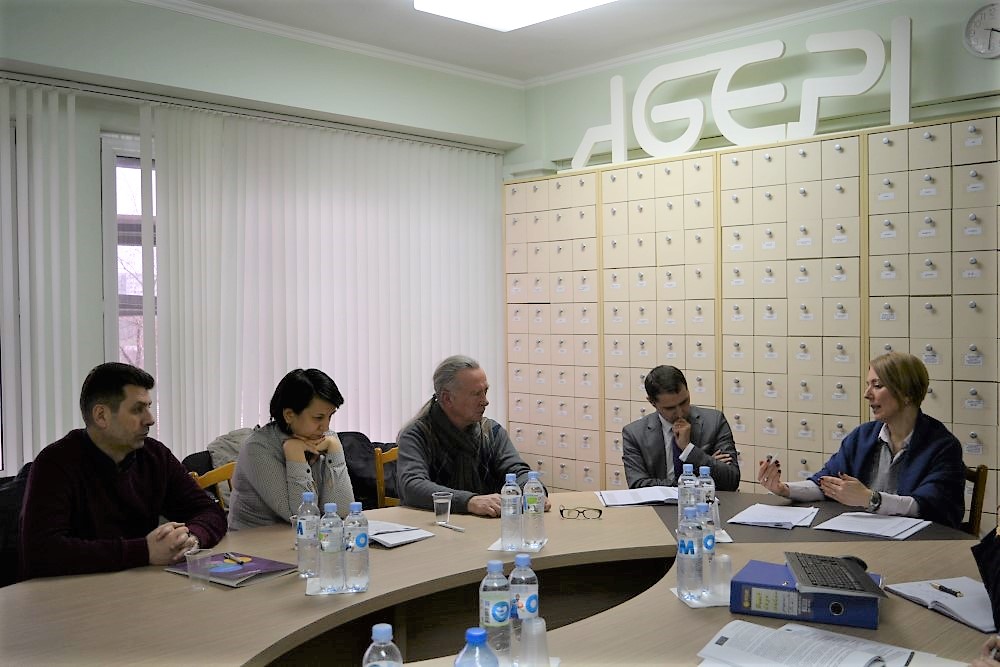 [7]
[7]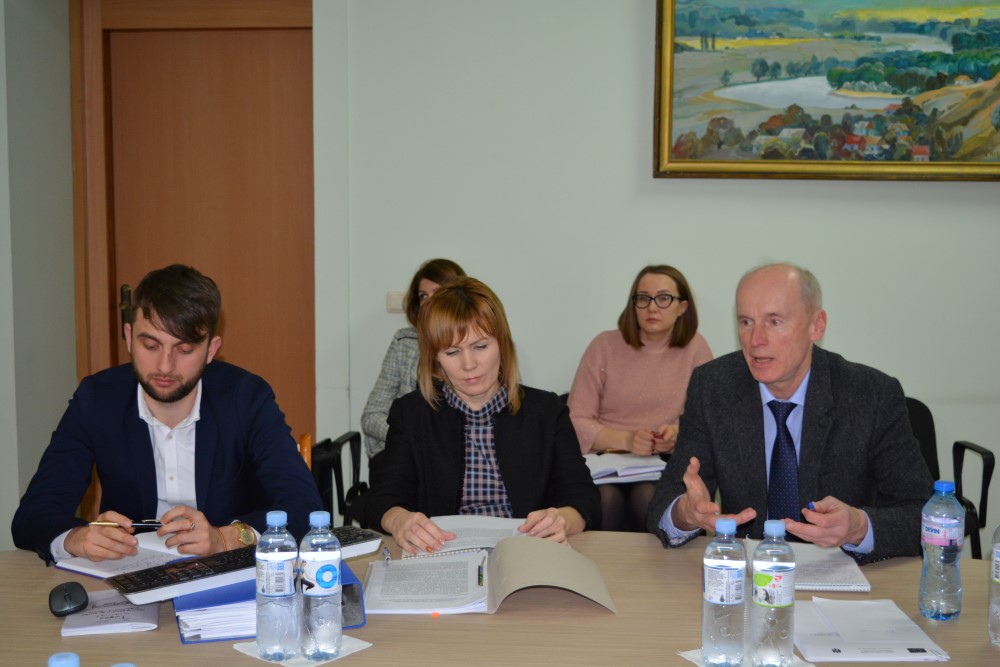 [8]
[8]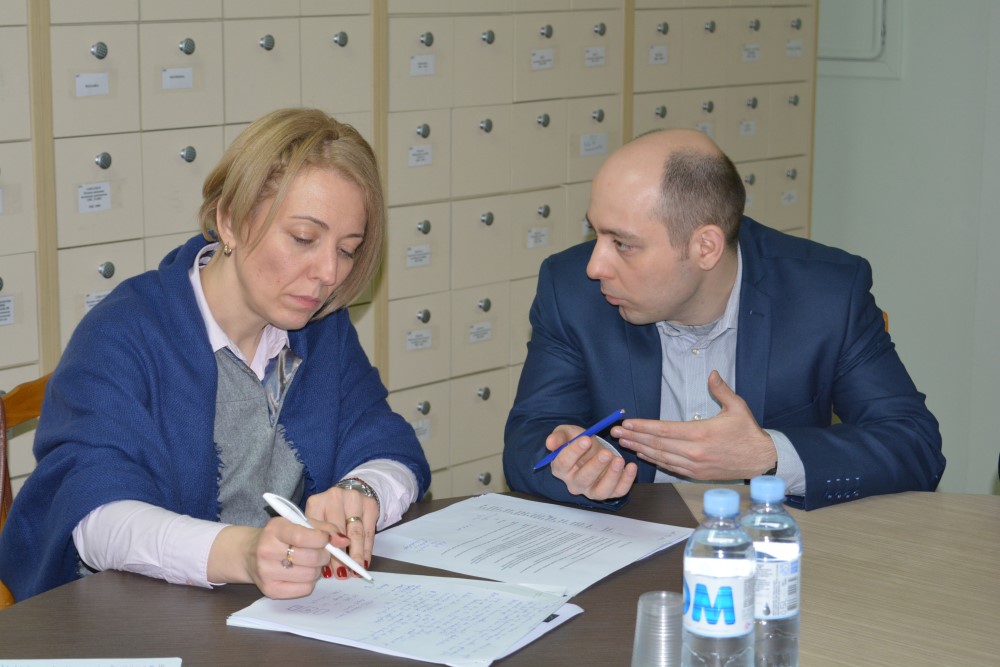 [9]
[9]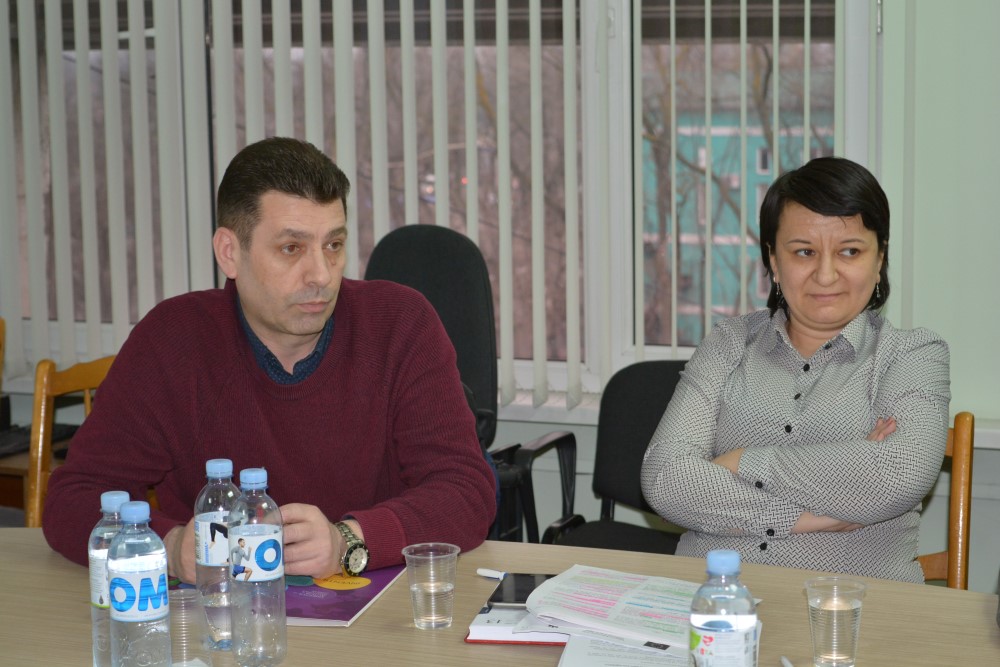 [10]
[10]